
The Ultimate Guide to Feeding Tropical Fish: Diet, Schedule & Best Food Tips
Feeding tropical fish correctly is one of the most important parts of maintaining a healthy, colorful aquarium. Choosing the best tropical fish food, understanding your tropical fish diet, and following a proper feeding schedule ensures your fish stay vibrant, active, and disease-free.
Whether you’re new to aquarium keeping or a seasoned hobbyist, this complete guide will help you master feeding tropical fish the right way — from diet and nutrition to schedule and expert care tips.
Understanding the Tropical Fish Diet
In the wild, tropical fish feed on insects, plants, algae, and microorganisms. Replicating that natural balance in your aquarium promotes good health, bright coloration, and a stable ecosystem.
Key Nutrients for Tropical Fish
Protein: Supports muscle growth and development.
Fats: Provide essential energy and boost immune function.
Fiber: Aids digestion and prevents bloating.
Vitamins & Minerals: Maintain vibrant color and resilience.
A balanced tropical fish diet keeps your aquarium fish thriving and your tank cleaner over time.
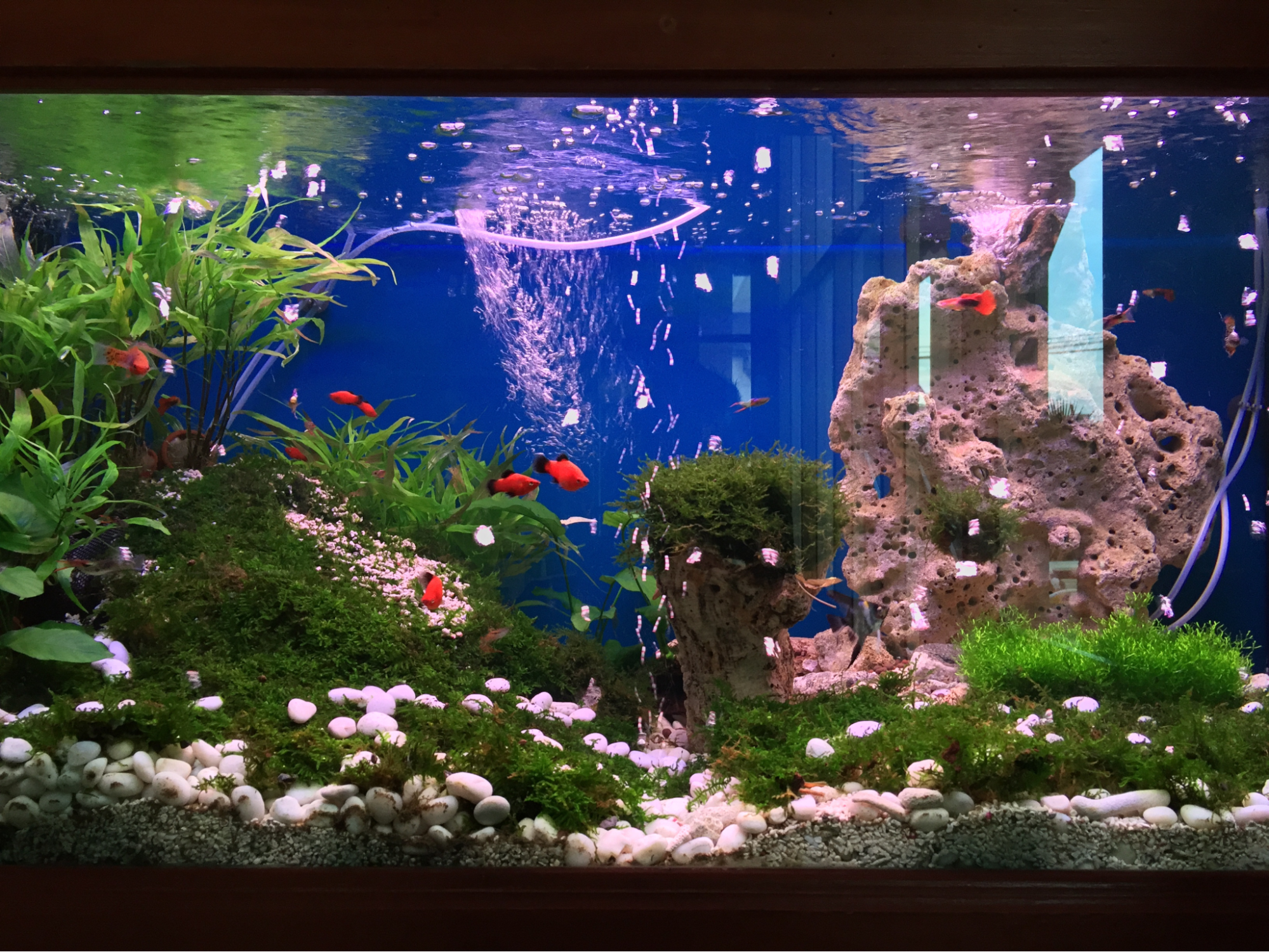
Types of Tropical Fish Food
Different fish have different dietary needs — and offering a variety of tropical fish food options helps mimic their natural feeding habits.
Flake Food
Ideal for surface feeders like guppies, mollies, and tetras. Choose nutrient-rich flakes for maximum value.
Pellets
Perfect for mid-water or bottom feeders like angelfish, cory catfish, and plecos. Pellets sink slowly to reach all levels of the tank.
Freeze-Dried Foods
Protein-packed options like bloodworms, brine shrimp, and daphnia support growth and vitality.
Frozen Foods
Offer rich nutrition for breeding fish or carnivorous species. Thaw before serving for easier digestion.
Live Foods
Best for conditioning and natural hunting behavior, though they must be sourced safely to avoid introducing parasites.
Vegetable-Based Foods
For herbivores and omnivores like plecos and guppies. Try spirulina flakes, algae wafers, or blanched zucchini.
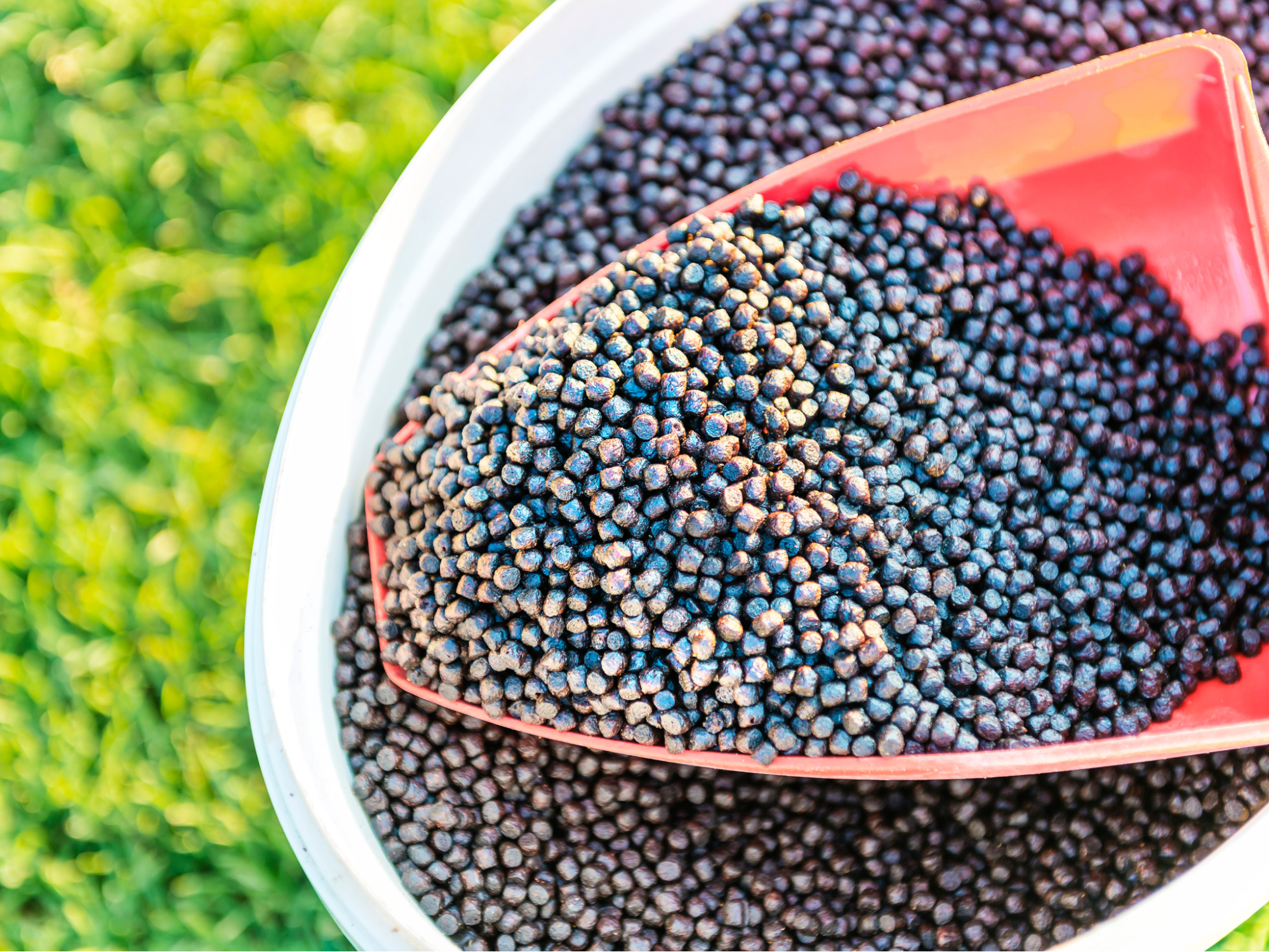
How Often to Feed Tropical Fish (Feeding Schedule)
Your tropical fish feeding schedule affects both fish health and water quality. The golden rule:
Feed your fish once or twice a day, offering only what they can eat in two to three minutes.
Adjusting by Age and Species
Fry (Baby Fish): Small, frequent feedings — up to four times daily.
Adult Fish: Once or twice a day is perfect.
Nocturnal Fish: Feed after lights out.
Signs of Overfeeding
Cloudy tank water
Leftover food
Algae growth
Fish appearing sluggish or bloated
💡 Pro Tip: Maintain a consistent tropical fish feeding schedule — it helps fish feel secure and reduces stress.
Expert Feeding Tips for Healthy Tropical Fish
Vary Their Diet Weekly. Rotate flakes, pellets, frozen, and live food for a balanced tropical fish diet.
Feed in Small Portions. Avoid overfeeding by offering less than you think they need.
Watch Behavior. Eager eaters are healthy fish — a lack of interest may indicate stress or illness.
Use Feeding Rings. These keep food in one place and reduce waste.
Have a Weekly Fast Day. It improves digestion and simulates natural feeding cycles.
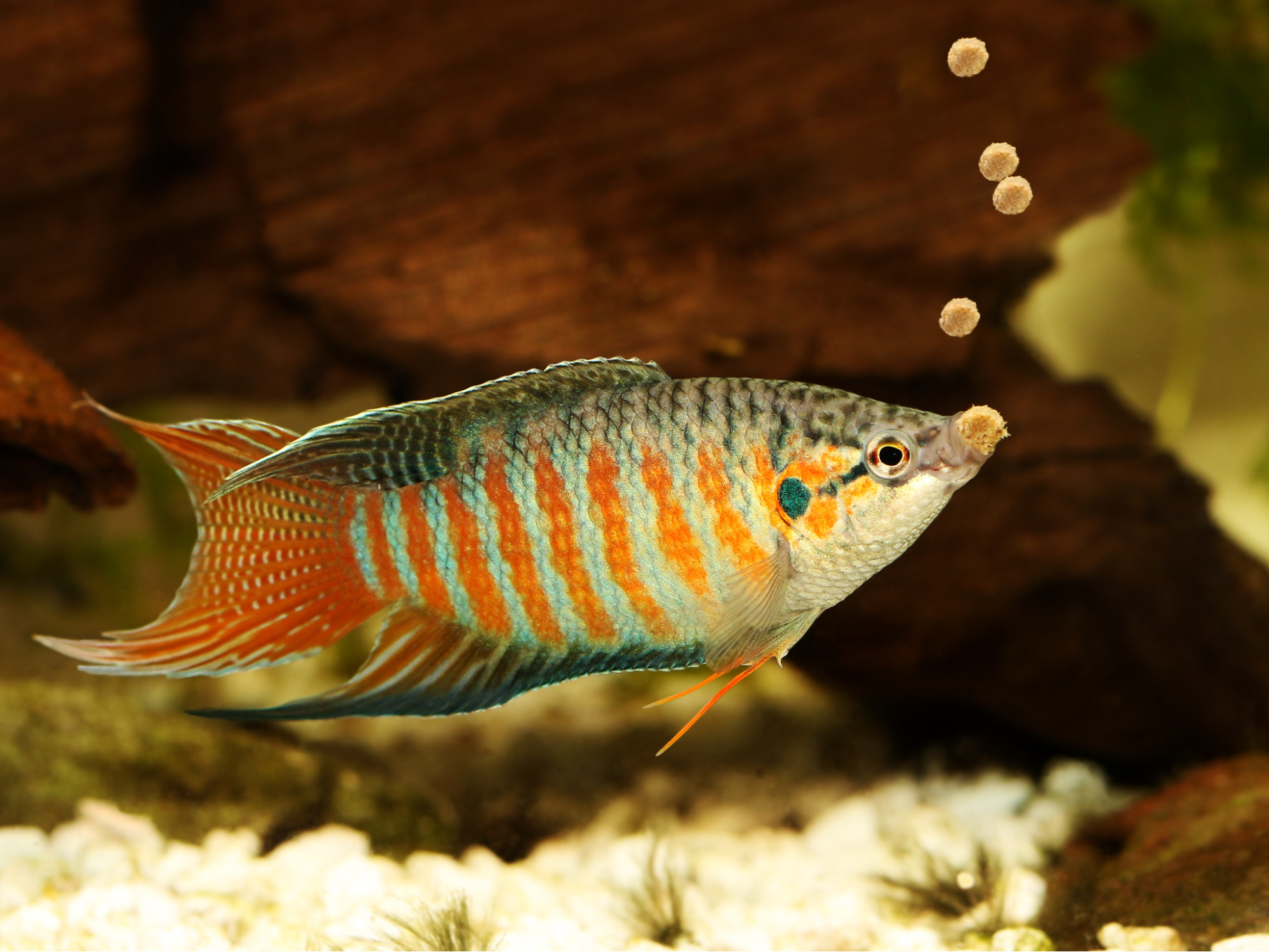
Common Feeding Mistakes to Avoid
Even experienced aquarists make mistakes when feeding tropical fish. Avoid these common pitfalls:
Overfeeding and poor tropical fish feeding schedules.
Using expired or low-quality food.
Ignoring bottom dwellers that miss surface flakes.
Feeding only one type of tropical fish food.
Recommended Tropical Fish Food (Available Online)
At Purple Aquatics, we carry a full selection of tropical fish food for sale — perfect for every species and feeding style.
High-Protein Tropical Flakes – Great for guppies, mollies, and tetras.
Sinking Pellets for Bottom Feeders – Ideal for plecos and loaches.
Freeze-Dried Bloodworms – Excellent for color and energy.
Vegetable-Based Food – Great for herbivorous fish and algae grazers.
Buy the best tropical fish food online from Purple Aquatics today and keep your aquarium fish happy and healthy!
FAQs About Feeding Tropical Fish
-
high-quality mix of flakes, pellets, and occasional freeze-dried foods covers most diets.ription text goes here
-
Feed once or twice daily, following a consistent tropical fish feeding schedule.
-
Only certain vegetables like spinach or zucchini — never processed foods.
-
Overfeeding pollutes the water and can cause health problems or algae blooms.
Conclusion
A healthy tropical fish diet keeps your fish colorful, active, and thriving. By using the right aquarium fish food, maintaining a proper feeding schedule, and following good feeding habits, you’ll create a balanced, beautiful aquarium.
