
10 Tips to Improve Freshwater Aquarium Water Quality
Introduction
If you own a freshwater aquarium, you already know how important clean water is for the health and happiness of your fish. Poor water quality can lead to stress, illness, algae blooms, and even fish loss — all of which are avoidable with consistent care.
The good news? Keeping your aquarium water crystal clear isn’t complicated. With a few simple habits and regular maintenance, you can create a thriving, balanced environment for your fish to live long, healthy lives.
Here are 10 expert tips to improve freshwater aquarium water quality — whether you’re a beginner or a seasoned aquarist.
Test Your Water Regularly
The first step to maintaining great water quality is knowing what’s happening inside your tank. Regular testing helps you track changes before they become problems.
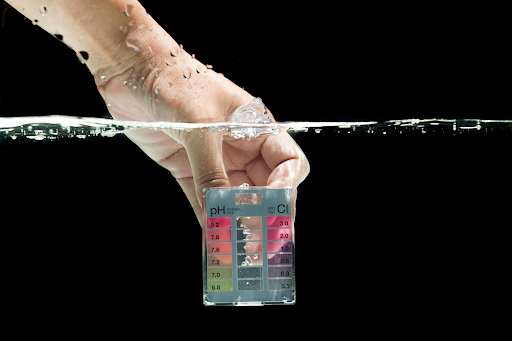
Use a reliable freshwater test kit to monitor:
pH: Most tropical fish thrive between 6.8 and 7.8.
Ammonia: Should always be 0 ppm.
Nitrite: Should also be 0 ppm.
Nitrate: Keep below 40 ppm (ideally under 20).
Testing once a week, or after any major tank changes, ensures you catch imbalances early and keep your fish stress-free. Use a reliable freshwater aquarium test kit weekly to ensure your tank stays healthy.
Perform Consistent Water Changes
Water changes are one of the easiest and most effective ways to maintain water quality. Replace 20–30% of your tank water each week to remove waste, toxins, and leftover food while replenishing essential minerals.
Be sure to:
Use a dechlorinator to treat tap water before adding it.
Match the temperature of the new water to your tank’s existing water.
Vacuum the substrate while changing water to remove debris.
Consistent partial water changes help prevent cloudy water and keep your fish healthy.
Use Live Plants
Live plants do far more than make your aquarium look natural and vibrant — they play an essential role in keeping your water clean, balanced, and healthy for your fish. Adding the right plants can help control nitrates, improve oxygen levels, reduce stress, and create a more stable ecosystem overall.
How Live Plants Improve Water Quality
Live plants work alongside your filter to support a healthy tank environment by:
Absorbing nitrates, ammonia, and carbon dioxide Plants naturally consume these waste byproducts as nutrients, helping prevent spikes that can stress or harm fish.
Producing oxygen throughout the day As they photosynthesize, plants release oxygen into the water, improving respiration for fish and beneficial bacteria.
Providing natural shelter and reducing stress Plants offer hiding spots and shaded areas where fish can feel secure, leading to healthier, less anxious behavior.
Helping control algae growth By competing with algae for nutrients, live plants limit algae blooms and keep your tank looking cleaner.
Recommended Freshwater Aquarium Plants
Guppy Grass (Najas guadalupensis) — A Fast-Growing Water Purifier
Guppy Grass is one of the most effective and beginner-friendly live plants you can add to your freshwater aquarium — and it’s especially popular for breeding tanks, shrimp tanks, and community setups.
Why Guppy Grass Is Beneficial:
Rapid nitrate absorption: This plant grows quickly and consumes nitrates at a high rate, helping keep your water cleaner between water changes.
Excellent hiding cover: Fish fry, shrimp, and smaller species love darting between its soft, dense branches. It dramatically reduces stress for shy or young fish.
Low maintenance: No special lighting or substrate is needed — it grows well floating or planted.
Great for breeding tanks: Provides natural shelter for guppy fry and other livebearers, increasing survival rates.
Guppy Grass is a helpful and easy addition to your setup — we offer a healthy, aquarium-ready supply at Purple Aquatics
Java Fern (Microsorum pteropus) — Hard-To-Kill Plant for Beginners
Java Fern is a hardy, slow-growing plant perfect for beginners or low-maintenance aquariums.
Benefits of Java Fern:
Tolerates low light: It thrives in environments where many other plants struggle.
Easy placement: It attaches to driftwood or rocks, so it doesn’t require planting in substrate.
Helps stabilize water parameters: Even though it grows slowly, it still absorbs waste and contributes to overall tank balance.
Fish-safe leaves: Many fish species won’t nibble on its thicker leaves.
Amazon Sword (Echinodorus amazonicus) — Strong Root Feeder for Large Tanks
Amazon Sword is a popular choice for midsize to large aquariums thanks to its full, leafy appearance and strong nutrient uptake.
Benefits of Amazon Sword:
Excellent nitrate absorber: Its large root system pulls waste products directly from the substrate.
Provides coverage and shade: Its wide leaves create natural shelter, helping reduce stress for schooling fish and bottom dwellers.
Great centerpiece plant: Its size makes it perfect for creating depth and structure in planted tanks.
Improves oxygen levels: Large surface area means more photosynthesis — and more oxygen for your fish.
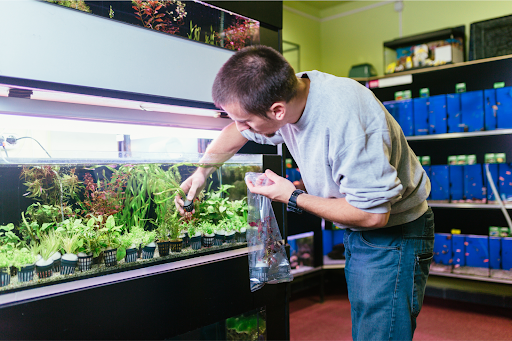
Purple Aquatics selection of live aquarium plants to keep your tank clean
Avoid Overfeeding
One of the most common causes of poor water quality is overfeeding. Uneaten food breaks down into ammonia and nitrate, which quickly pollute your tank.
Feed your fish only what they can eat in 1–2 minutes, once or twice daily. Remove any leftover food after feeding time.
Using high-quality fish food also helps reduce waste because it’s more digestible and nutrient-rich — a win for both your fish and your water clarity.
Clean the Substrate
Gravel or sand at the bottom of your tank can trap waste, uneaten food, and plant debris. Over time, this buildup can release toxins back into the water.
Use a gravel vacuum during your weekly water change to remove hidden debris. Focus on the most heavily used areas of the tank but avoid over-cleaning — some beneficial bacteria live in the substrate and help maintain balance.
Maintain Your Filter
Your filter is the heart of your aquarium’s ecosystem. It keeps the water moving and removes physical and chemical waste.
To keep your filter performing well:
Rinse filter media in old tank water (not tap water) to preserve good bacteria.
Replace cartridges or pads according to the manufacturer’s directions.
Check flow rate: Reduced flow can mean clogging or buildup.
A clean, efficient filter keeps your water clear and your fish healthy.
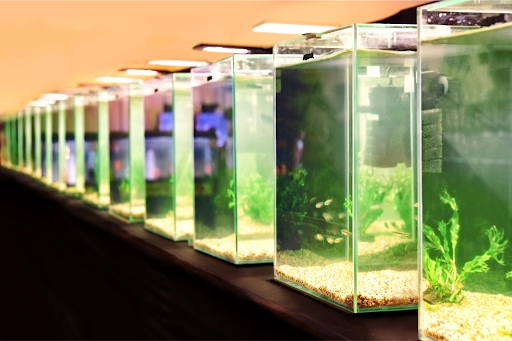
Don’t Overstock Your Tank
Too many fish create excess waste, leading to poor water quality and oxygen depletion.
As a general guideline, allow 1 inch of fish per gallon of water — but remember that some species need more space depending on their activity level and adult size.
Before adding new fish, research their adult size and compatibility to ensure your tank remains balanced.
Monitor Water Temperature
Stable water temperature is critical for fish health. Fluctuations can cause stress and impact oxygen levels.
Most freshwater tropical fish prefer 74°F–80°F (23°C–27°C). Use a reliable aquarium heater and digital thermometer to maintain consistent conditions, especially during seasonal temperature changes.
Clean Decorations and Glass
Over time, algae and biofilm can build up on your tank walls and decorations. While some algae are natural, too much can cloud the water and make your tank look dirty.
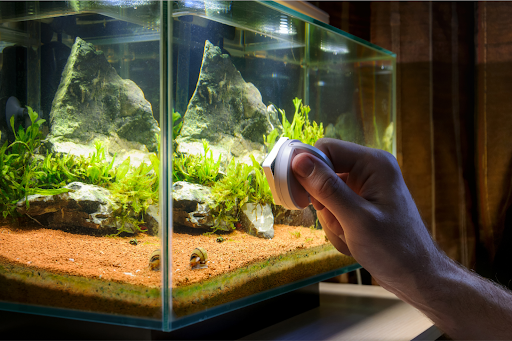
Clean your aquarium glass weekly with a magnetic algae scraper or algae pad. Rinse decorations in tank water — never use soap or chemicals, as they can harm your fish.
Add Beneficial Bacteria
Beneficial bacteria are the invisible heroes of your aquarium. They break down harmful ammonia and nitrites into less toxic nitrates through the nitrogen cycle.
To keep your tank’s ecosystem balanced:
Avoid cleaning all your filter media and gravel at once.
Consider using bottled bacteria supplements after water changes or when setting up a new tank.
Allow new tanks to “cycle” for several weeks before adding fish.
Maintaining a strong bacterial colony ensures your water stays stable and safe.
Bonus Tip: Keep a Maintenance Schedule
Staying consistent is key to water quality. Create a simple maintenance checklist that includes testing, water changes, filter cleaning, and feeding notes.
Consistency prevents big problems — and makes fishkeeping easier and more enjoyable.
Conclusion
Clean, balanced water is the foundation of every healthy freshwater aquarium. By testing regularly, changing water consistently, and avoiding overfeeding, you’ll set your tank up for long-term success.
Remember — a little maintenance goes a long way toward keeping your fish happy and your water sparkling clear.
👉 Need high-quality fish food for your freshwater aquarium? Visit Purple Aquatics to explore our selection of premium tropical fish food and healthy freshwater fish
Frequently Asked Questions About Freshwater Aquarium Water Quality
-
It’s best to change 20–30% of your aquarium water every week. Regular water changes remove built-up waste, uneaten food, and harmful chemicals while replenishing essential minerals. Smaller, consistent changes are healthier for your fish than infrequent large ones.
-
Poor water quality usually comes from overfeeding, overstocking, or infrequent maintenance. Uneaten food and fish waste break down into ammonia and nitrates, which can quickly become toxic. Dirty filters or untested water can also lead to hidden imbalances that stress your fish.
-
Cloudy water often means there’s an excess of waste or bacteria. To fix it, reduce feeding, vacuum the substrate, and clean or rinse your filter media. Make sure you’re performing weekly water changes and not overcrowding the tank. Adding live plants or beneficial bacteria can also help stabilize the water.
-
Yes! Live plants are a natural way to absorb nitrates, release oxygen, and improve overall tank balance. They compete with algae for nutrients and provide a cleaner, more stable environment. Great beginner-friendly plants include Java Fern, Anubias, and Amazon Sword.
-
Use a liquid freshwater test kit or digital water tester for the most accurate results. Test your water weekly for ammonia, nitrite, nitrate, and pH levels. Keep ammonia and nitrite at 0 ppm, and nitrate below 40 ppm. Tracking these readings helps prevent problems before they affect your fish.
-
Signs of stress include gasping at the surface, faded colors, clamped fins, or unusual swimming behavior. If you notice these, test your water immediately. Elevated ammonia or nitrite levels are common causes — perform a partial water change and check your filtration system.
-
No — always rinse filter media in old tank water, not tap water. Tap water contains chlorine or chloramine, which can kill the beneficial bacteria that keep your aquarium’s ecosystem balanced.