
Are Angelfish Good Aquarium Fish? A Friendly Guide For First-Time Keepers
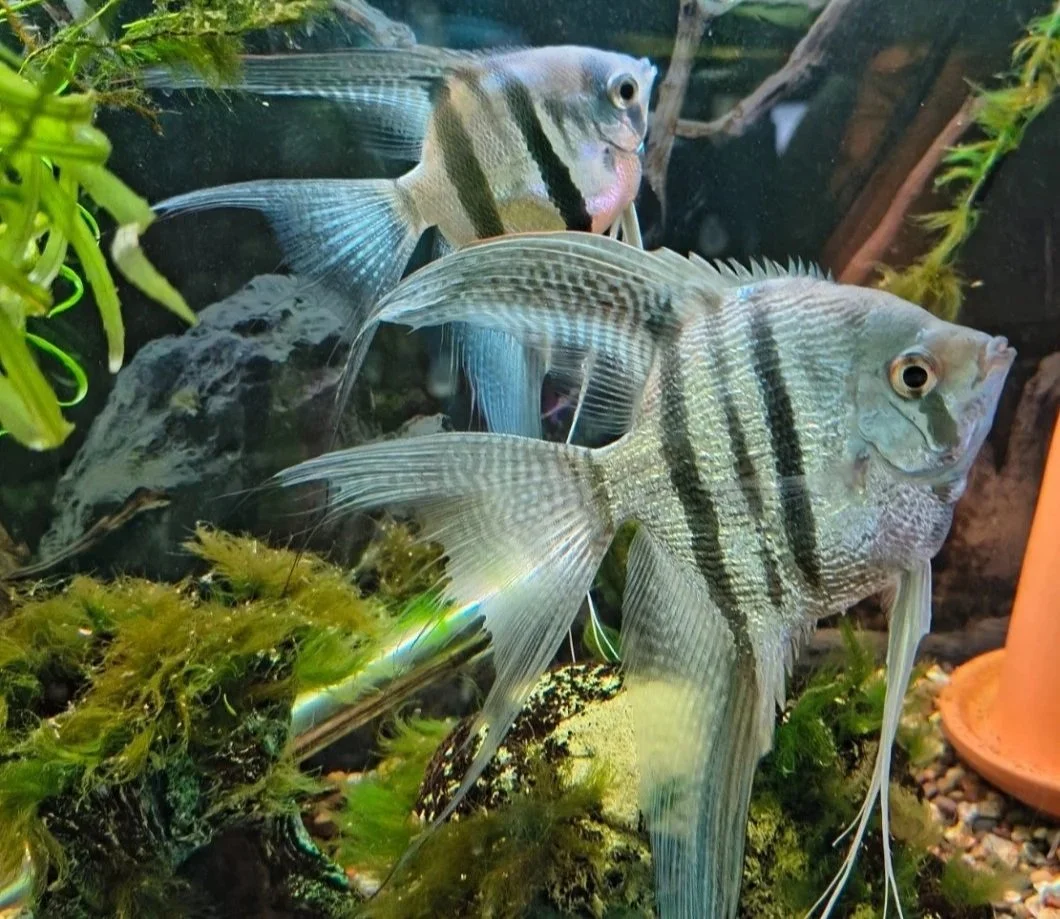
Thinking about a centerpiece fish for your home aquarium, or a thoughtful holiday gift for the hobbyist in your life? Angelfish checks a lot of boxes. They are graceful, eye-catching, and surprisingly manageable when you set them up right. In this guide, you will learn what angelfish are like to keep, how big a tank they need, compatible tank mates, how to feed and care for them, and how to avoid common beginner mistakes. You will also see how Purple Aquatics makes it simple to order healthy, tank raised angelfish with reliable nationwide shipping across the continental U.S.
Are angelfish good aquarium fish?
Yes. Angelfish are classic freshwater aquarium fish that make a striking focal point without requiring expert level care. They are cichlids, so they have personality and can be a bit territorial during breeding, but for day to day keeping they are peaceful enough for community tanks with the right companions. If you want a graceful fish that cruises midwater and rewards good care with long life and engaging behavior, angelfish are a great choice.
Are angelfish difficult to keep?
Not really. Angelfish are beginner friendly once you provide proper tank size, stable water, and a varied diet. Purple Aquatics raises juveniles on mixed foods so they adapt well to home aquariums. If you can keep your water clean and consistent, feed a mix of quality flakes or pellets with occasional treats, and avoid nippy or tiny tank mates, you will find them straightforward.
What do angelfish need in their tank?
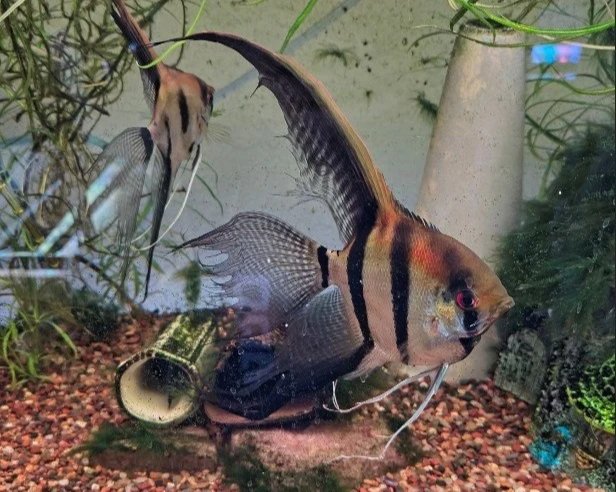
Start with a taller tank, 29 to 30 gallons or larger for a small group. Height matters because of their long fins. Give them:
Gentle flow, not a blasting current.
Stable, clean water. Aim for 76 to 82 F, pH around 6.8 to 7.4, and soft to moderately hard water. Keep ammonia and nitrite at 0, and nitrate ideally below 20 ppm.
Vertical cover. Tall swords, vallisneria, or wood and stems help them feel secure.
Open swimming lanes through the center of the tank.
A tight fitting lid to prevent accidental jumps.
Live aquarium plants are highly encouraged. They provide cover, help water quality, and make your aquascape pop. If you are building your first planted angelfish tank, browse live plants for aquariums to pick hardy choices that grow tall and fast. You can also buy aquarium plants if you want a quick start mix that fits a 30 to 55 gallon setup.
Quick start checklist:
Tank: 29 to 30+ gallons, taller footprint preferred.
Filtration: Reliable filter with gentle output, aim for 4 to 6 times tank volume per hour.
Heater: Sized for your volume, set around 78 to 80 F for most homes.
Substrate and decor: Sand or fine gravel, driftwood, and tall plants for coverage.
Water conditioner, test kit, and basic maintenance routine.
Do angelfish need plants?
They do not strictly need plants, but they do better with them. Plants offer line of sight breaks that reduce stress and mild territorial behavior. They also serve as natural spawning sites if a pair forms and they decide to lay eggs. If you are new to live plants, consider fast growing stem plants or vallisneria for tall background growth. Purple Aquatics has aquarium plants for sale that work well in angelfish displays.
Do angelfish need a bubbler?
You do not need a separate bubbler if your filter provides good surface agitation and your tank is not overstocked. Oxygen exchange happens at the surface. A gentle ripple is enough. If your home runs warm or your stocking is heavy, an airstone can help, but it is optional in a well filtered tank.
What fish should not be with angelfish?
Skip notorious fin nippers and aggressive or very small species. Avoid:
Tiger barbs and other nippy barbs that shred fins.
Large, aggressive cichlids.
Tiny nano fish or small shrimp that can be viewed as snacks once your angels grow.
Better companions include peaceful mid to upper water community fish of similar size, calm bottom dwellers, and plecos that ignore them. If you love algae eaters, bristlenose plecos are a solid pick, and Purple Aquatics has bristlenose plecos for sale that pair nicely with angels.
How long do angelfish live?
With good care, angelfish can live up to about 10 years. Clean water, a steady temperature, a varied diet, and low stress tank mates are the keys to reaching that upper range.
What do angelfish eat?
Offer variety. A good weekly rotation includes:
Quality flakes or pellets as a staple.
Occasional frozen or live foods like brine shrimp or bloodworms.
Color and growth boosters such as decapsulated brine shrimp eggs.
Ark BioRite foods carried by Purple Aquatics for balanced nutrition and color.
Feed small amounts once or twice daily so they finish in a couple of minutes. Varying texture and protein keeps them enthusiastic and helps healthy growth.
How to set up and acclimate angelfish from Purple Aquatics
Purple Aquatics breeds and raises healthy, tank adapted angels and ships across the continental United States in insulated boxes with oxygen packed bags and heat or cold packs as needed. When your box arrives, be ready to acclimate right away.
For angelfish…
1. Dim the room lights and float the sealed bag in your tank for 20 to 30 minutes to equalize temperature.
2. Do not drip acclimate angelfish. After floating, gently release them into the tank.
3. Keep lights low for a few hours and avoid heavy feeding on day one.
This approach prevents pH and ammonia issues that can occur if bag water is aerated too long.
If you are starting a group, take a look at angelfish for sale on Purple Aquatics. You can choose one fish, or value packs of 2, 4, 6, or 8 fish that make planning a display easier, especially in a 40 to 55 gallon tank.
How to tell if angelfish are happy
Happy angelfish:
Hold their fins wide and swim with confidence in the open.
Show curiosity, greet you at the glass, and eat eagerly.
Display clean, bright coloration without clamped fins or flashing.
Pair up or gently posture without constant chasing.
Stressed angelfish hide all day, clamp fins, gasp at the surface, or show repeated aggression. Recheck temperature, water quality, and tank mate behavior if you see those signs.
Common mistakes to avoid
Tank too small: A single 20 high looks tempting, but cramped quarters cause stress and fights. Start at 29 to 30 gallons, bigger if you want a group.
Strong current: Angels prefer a gentle flow. Baffle your filter if needed.
Overcleaning or big parameter swings: Do steady, moderate water changes, typically 25 to 35 percent weekly.
Nippy or tiny tank mates: Choose peaceful species of appropriate size.
Sparse decor: Add tall plants and wood to reduce line of sight and give comfort.
Overfeeding only one food: Rotate flakes or pellets with brine shrimp and other options like Ark BioRite for long term health.
Pros and cons at a glance
Pros:
Stunning centerpiece fish with graceful movement.
Beginner friendly with the right setup.
Interactive personality and potential long lifespan.
Cons:
Can be territorial when breeding.
Need taller tanks and gentle flow.
May eat very small fish or shrimp.
Ready to build your angelfish tank?
If you want a showpiece fish for the holidays that is both beautiful and attainable, angelfish are a smart pick. Choose a taller 29 to 30+ gallon tank, keep the water stable and warm, add vertical cover with plants, feed a varied diet, and select calm tank mates.
Purple Aquatics ships healthy, tank raised angels nationwide within the continental U.S., and includes clear acclimation guidance. Explore angelfish aquarium fish to choose your pack size, and round out your scape with fast growing aquarium plants for a natural, stress reducing environment. With a thoughtful plan and steady care, your angelfish can thrive for years and become the centerpiece you look forward to watching every day.
Frequently Asked Questions About Angelfish
-
Yes. Angelfish are beginner friendly as long as you provide a properly sized tank, stable water parameters, and a varied diet. They adapt well to home aquariums, especially when you start with healthy, tank-raised angels like those from Purple Aquatics.
-
A single angelfish should have at least a 29–30 gallon tall tank, and groups do best in 40–55 gallons. The extra height helps accommodate their long fins and gives them comfortable swimming space.
-
Angelfish do well with peaceful, similarly sized community fish and calm bottom dwellers. Avoid fin-nippers like tiger barbs, aggressive cichlids, and tiny fish or shrimp that can be mistaken for food.
-
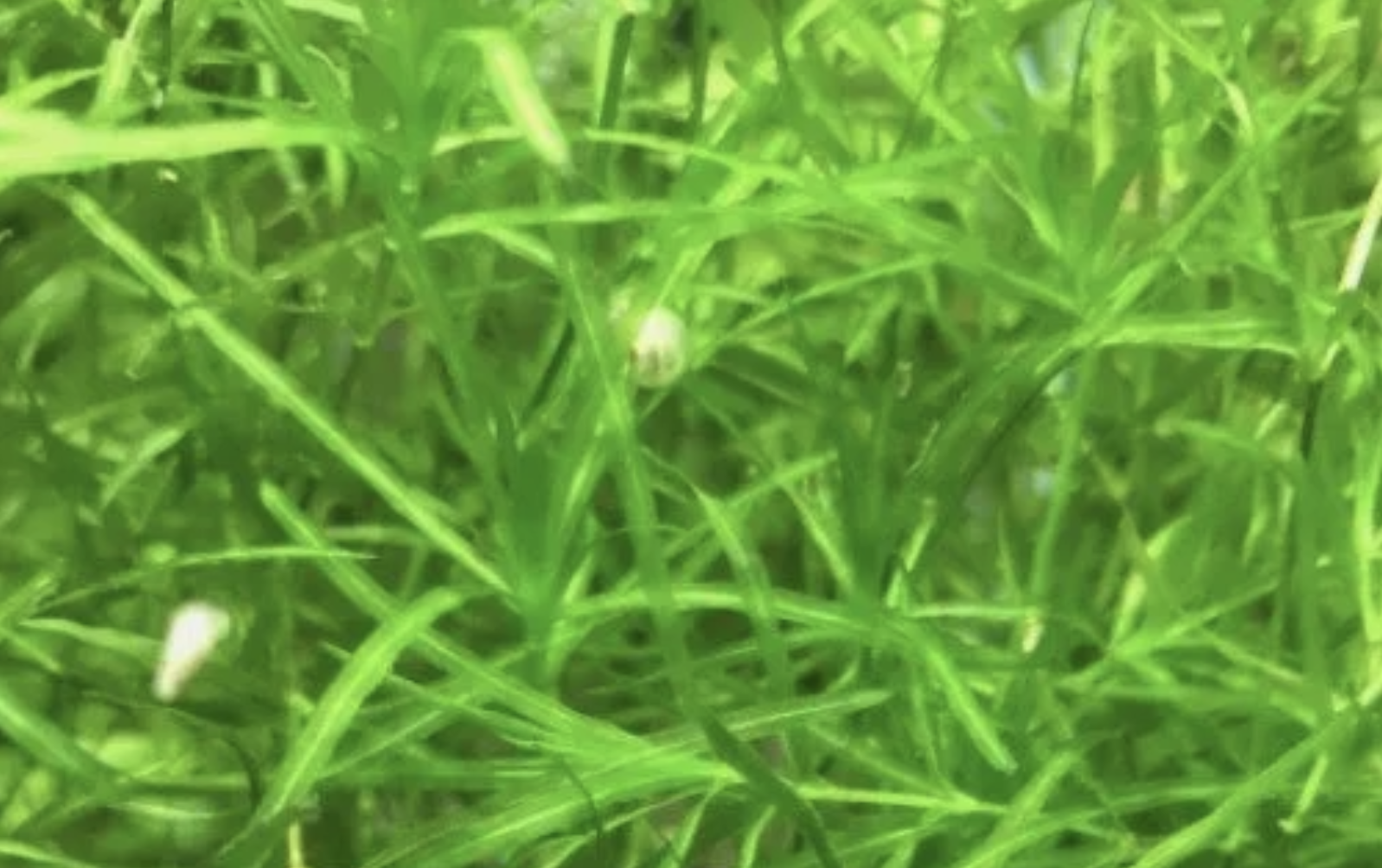
They don’t require live plants, but they thrive with them. Plants provide cover, reduce stress, create natural sight breaks, and can serve as spawning sites. We recommend Guppy Grass to improve angelfish health and habitat.
-
Angelfish eat a varied diet of quality flakes or pellets, frozen foods like brine shrimp or bloodworms, and occasional treats for color and growth. Purple Aquatics offers Ark BioRite foods formulated for balanced nutrition.
-
Float the sealed bag in your tank for 20–30 minutes to match temperature. Do not drip acclimate angelfish. After floating, gently release them into the tank, keep lights low, and avoid heavy feeding on the first day.
-
With proper care, angelfish can live up to 10 years. Clean water, steady temperatures, a stress-free environment, and a varied diet all contribute to a long, healthy lifespan.