
How Many Angelfish Should Be Kept Together? Complete Guide to Stocking, Tankmates, And Tank Sizes
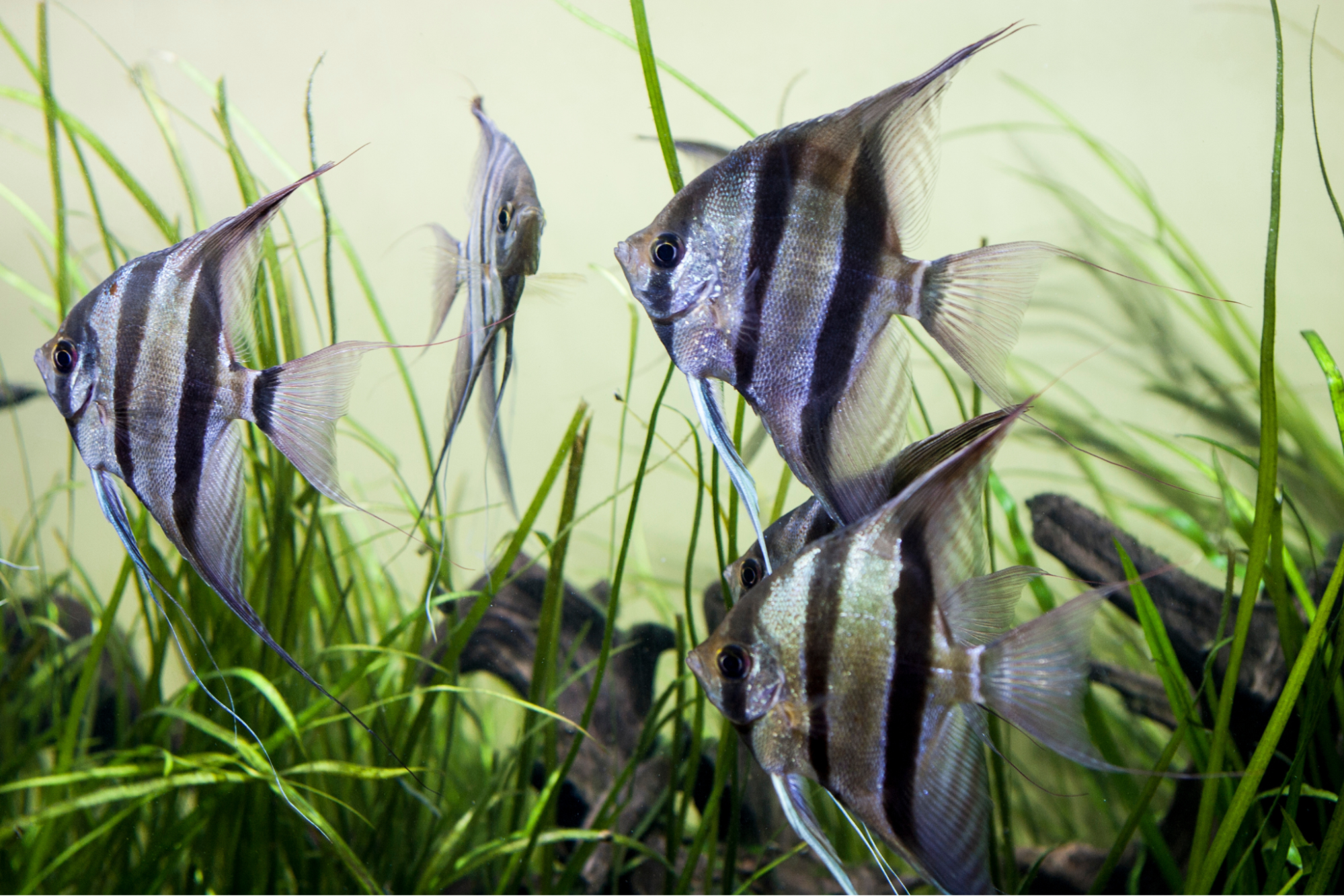
Angelfish are one of the most striking and elegant freshwater aquarium fish you can keep. Their tall bodies and flowing fins make them a true centerpiece, but they’re also cichlids — meaning they have personality, territory instincts, and specific space needs. In this guide for beginner hobbyists, you’ll learn how many angelfish you should keep together, how to choose the right tank size, compatible tankmates, smart feeding routines, and setup tips to keep your angels healthy, calm, and beautiful.
Choosing the Right Number of Angelfish
Getting the number right isn’t just about filling space — it directly affects fish behavior, stress, water quality, and long‑term success.
Best Stocking Options
One Angelfish — Great for beginners or community tanks that are smaller. They won’t pair or breed, and territorial behavior is minimal.
A Mated Pair — Ideal for aquarists who want to observe courtship and even breeding. A pair will establish territory but is less aggressive than larger groups in small tanks.
Small Group (4–6) — In a spacious, tall tank, a group spreads out aggression and can form natural hierarchies and pair bonds. Groups rarely work in tanks smaller than 55 gallons.
Avoid keeping exactly two unpaired juveniles in a community tank. Often one becomes dominant and bullies the other, leading to stress and poor health.
Tank Size Guidelines: Why Height Matters More Than Gallons
Angelfish are tall, vertical swimmers. They prefer height over length because that’s how they naturally explore space.
Recommended Tank Sizes
Single Angelfish: Minimum ~29–30 gallons with tall water column.
Mated Pair: ~29–40 gallons or more; height helps reduce territorial disputes.
Group of 4–6: 55 gallons or larger, with good vertical space and open swimming zones.
Why the “5 Gallon Rule” Doesn’t Work Here
A generic rule like five gallons per fish isn’t helpful for angels. Their body shape — growing up to ~6 inches tall — and territorial nature need vertical space and room to claim a patch of territory. Always prioritize tank dimensions and space per fish over simple gallons‑per‑fish math.
Aquascaping for Peaceful Behavior
Your aquascape isn’t just decoration — it helps reduce aggression.
Smart Layout Tips
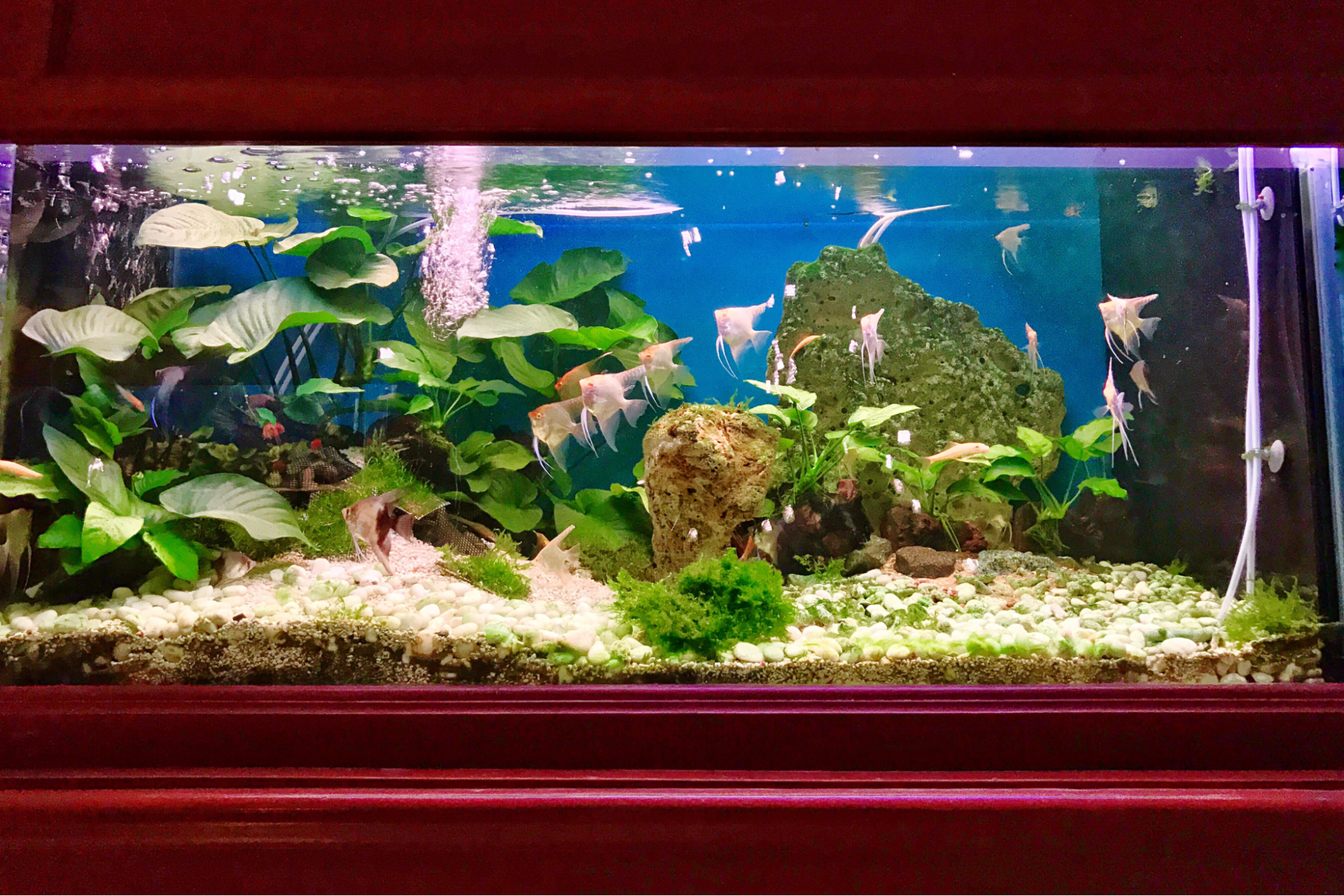
Create Visual Breaks: Use tall plants (like Amazon swords or vallisneria), driftwood, and rock formations to break lines of sight so fish don’t constantly see each other.
Mark Territories: Spread vertical decor across the tank at different depths and areas so pairs can claim their own regions.
Leave Open Swim Space: Keep central and front areas relatively open for cruising and feeding.
Plants also improve water quality and create cover for shy dwellers. If you want quick coverage, tall stem plants and floating species can help.
Compatible (and Incompatible) Tankmates
Angelfish are semi‑aggressive — generally peaceful but territorial, especially during breeding or if space is tight.
Good Companion Fish
Choose species that are:
Peaceful
Similar mid‑size
Not fin nippers
Compatible water‑parameter needs (temperature ~76–82°F, pH ~6.5‑7.5)
Examples include:
Corydoras catfish
Bristlenose plecos
Rummy nose or larger tetras
Harlequin rasboras
Peaceful dwarf cichlids (e.g., Bolivian rams)
Fish to Avoid
Fin nippers (e.g., tiger barbs, serpae tetras) — target the long fins of angels.
Tiny fish like neon tetras — often eaten as adults.
Large aggressive cichlids (oscars, green terrors) — bully and dominate.
Long‑finned show fish (male bettas, fancy guppies) — attract pecking.
Feeding for Color, Calm, and Health
A consistent feeding routine helps keep angelfish engaged and reduces stress.
Feeding Tips
Feed twice daily — small amounts that they finish in ~2–3 minutes.
Rotate diet: Use quality flakes or pellets + frozen/live treats like brine shrimp and bloodworms a few times weekly.
Feed by swimming zone: Use sinking foods for bottom dwellers so everyone eats comfortably.
Tip: Offer food to your more active fish first and then add a second pinch so shy fish aren’t outcompeted.
Cleaning and Water Quality Basics
Regular maintenance keeps your tank crystal clear and your angels happy.
Weekly Routine
Test water parameters: keep ammonia and nitrite at 0, nitrates low.
25–35% water change weekly: siphon near substrate but avoid uprooting dense plants.
Filter care: rinse sponges and media in tank water every 2–4 weeks; don’t over‑clean beneficial bacteria.
Glass and leaves: wipe off biofilm for better light and aesthetics.
Crystal Clear Water Tips
Avoid overfeeding — leftover food clouds water.
Add fast‑growing plants to absorb nutrients.
Use fine mechanical filtration when needed.
For more tips and information on cleaning your freshwater aquarium, check out our Top 10 Tips to Improve Freshwater Aquarium Water Quality
Summary: Smart, Healthy Angelfish Stocking
You can keep one, a bonded pair, or a small group (4–6) — avoid two unpaired juveniles in small spaces.
Tank height matters: aim for a 29–40 gallon for singles/pairs and 55+ gallons for groups with plenty of vertical space.
Aquascaping that breaks sightlines reduces stress and aggression.
Choose calm, non‑nipping tankmates and avoid aggressive or very small fish.
Feed consistently and maintain a regular cleaning schedule for clear, healthy water.
Frequently Asked Questions About angelfish tank size and stocking guide
-
Yes, angelfish can live alone, especially in a peaceful community tank. A single angelfish is less likely to show aggressive or territorial behavior, making it a great choice for beginner aquarists.
-
You can safely keep one, a mated pair, or a small group of 4 to 6. Avoid keeping exactly two angelfish unless they are a bonded pair, as one may become dominant and bully the other.
-
One angelfish: at least 29 to 30 gallons with tall vertical space.
Mated pair: 30 to 40 gallons.
Group of 4–6: 55 gallons or more, with enough room to reduce territorial aggression.
-
Yes. Because angelfish have tall, disc-shaped bodies, they thrive in tanks with good height, not just length or gallons. Vertical space helps them swim naturally and reduces stress.
-
Yes, angelfish do well with calm, non-aggressive tankmates like corydoras, bristlenose plecos, rasboras, and peaceful tetras. Avoid fin nippers, tiny fish like neon tetras, and long-finned show fish like fancy guppies.
-
Angelfish are considered semi-aggressive. They are usually peaceful in the right environment but can become territorial, especially during breeding or if space is limited.
-
Feed your angelfish twice a day with small amounts they can finish in 2–3 minutes. Use a varied diet that includes flakes or pellets plus frozen or live treats like brine shrimp or bloodworms.
-
Perform weekly water changes of about 25–35% and clean the filter every 2–4 weeks. Regular maintenance keeps water parameters stable and prevents cloudy water or algae buildup.
-
The “5-gallon rule” doesn’t account for the body shape, territorial needs, and vertical space angelfish require. Instead, use species-specific guidelines focused on tank dimensions.
-
Reduce aggression by breaking up sightlines with tall plants or decor, providing enough territory, avoiding overstocking, and choosing compatible tankmates.
Additional Resources for Beginner Angelfish Keepers
Ready to dive deeper into angelfish care and freshwater aquarium success? These additional resources will help you build confidence, avoid common mistakes, and create a thriving aquatic environment for your angelfish:
Angelfish Care Guide for Beginners – Learn the fundamentals of keeping angelfish healthy, happy, and well-fed.
Best Angelfish Tank Mates – A detailed compatibility guide covering peaceful community fish that live well with angels.
Angelfish Tank Setup & Equipment Tips – A setup checklist with filtration, lighting, and layout tips for new hobbyists.
Angelfish Tank Size Guide – Understand the importance of tank height and space when planning your aquarium.
Freshwater Angelfish Types and Behavior – Explore the different angelfish varieties and their unique personalities.
If you're ready to start or upgrade your angelfish tank, don’t miss our live angelfish collection and compatible aquarium plant selection to help you build a peaceful, visually stunning setup from day one.