
Guppy Breeding Stock 101: Easy, Colorful, And Beginner-Friendly For The New Year
Starting a breeding project is one of the most rewarding ways to enjoy the aquarium hobby. If you are new, guppies (Poecilia reticulata) are the perfect first step. They are hardy, full of color, and happy to reproduce in simple home setups. In this guide, we will go over how to choose quality breeding stock, set smart sex ratios, understand genetics without the jargon, set up an easy breeder tank, care for fry, and feed for color and conditioning.
Why Guppies Make Great First Breeders
If you are wondering what is the best breeding aquarium fish, guppies are at the top for beginners. They are livebearers, which means you will see swimming fry instead of eggs. They breed readily, mature fast, and accept a wide range of prepared foods. In a well kept tank, guppy fish live in an aquarium for roughly 2 to 4 years, with 2 to 3 years being most common.
For new hobbyists, guppies and Endler livebearers (Poecilia wingei) are a great choice for breeding stock. They reproduce quickly, demand is steady, and you can scale your setup with small tanks.
Picking Quality Breeding Stock
For healthy lines, start with unrelated, vigorous fish. Look for clear eyes, full fins, and strong swimming. Males should show even color and shape, with no bent spines or clamped fins. Females should be alert, with full bodies and no sunken bellies.
How to Distinguish Males from Females
Males are smaller and show brighter colors and longer tails. Females are larger, with rounder bodies and a gravid spot near the anal fin. For sexing juveniles, check the anal fin: males develop a pointed gonopodium while females keep a triangular fan shaped anal fin.
When you are ready to start, consider guppy trios, which give you a balanced breeder set out of the box. Remember to quarantine them before mixing with your existing fish.
Male to Female Ratios: How Many Guppies Should You Keep?
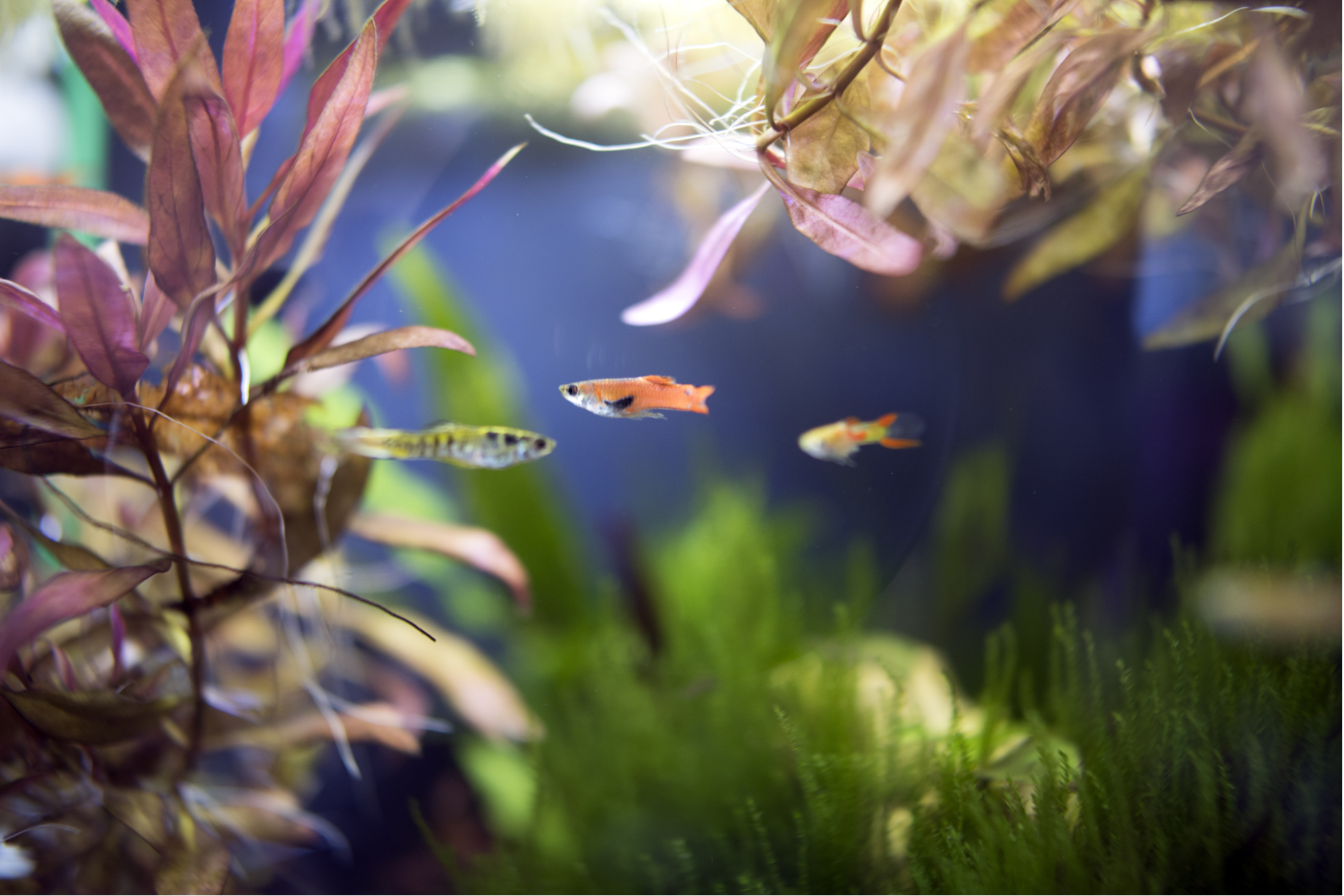
For breeding, a simple and gentle ratio is one male to two or three females. This spreads courting attention and reduces stress. In a 10 gallon starter tank, keep one male with two females, then scale as you add space.
For community groups without breeding goals, you can keep all male groups to enjoy color without fry. If you do not want an explosion of fry, limit males or separate sexes.
Understanding Guppy Genetics (No Degree Required)
You do not need a genetics degree to keep your colors strong. Start with a pair or trio that shows the traits you like. Keep one line per tank, or label fry grow out tanks by date.
If you want more vigor, add an unrelated fish with similar traits every few generations. Cull gently by rehoming fish with bent spines, severely torn fins that do not heal, or poor vigor.
Keep notes and take photos each month. You will quickly see which pairings throw the colors you love.
Understanding Guppy Genetics (No Degree Required)
You do not need a genetics degree to keep your colors strong. Start with a pair or trio that shows the traits you like. Keep one line per tank, or label fry grow out tanks by date.
If you want more vigor, add an unrelated fish with similar traits every few generations. Cull gently by rehoming fish with bent spines, severely torn fins that do not heal, or poor vigor.
Keep notes and take photos each month. You will quickly see which pairings throw the colors you love.
Simple New Year Breeder Tank Setup
A 10 to 20 gallon glass tank works great to start. Here is what you need:
Filter: Sponge filter for gentle flow and fry safety.
Heater: 75 to 80 F for active growth.
Water: Stable parameters with regular, small water changes.
Hardscape and plants: Add caves, a few rocks, and live plants to reduce stress and boost fry survival.
Conditioner: Recommended if you are using city tap water. Guppies like harder water with some mineral content. Test your tap, then keep changes small and consistent each week. Guppies can live in tap water if you dechlorinate and keep it stable.
For fry cover, floating stems are your friend. Guppy Grass is a classic. It soaks up nutrients and gives babies a place to hide. If you are ready to add some greenery, you can browse guppy grass for sale for a hardy starter plant that grows fast in low to medium light.
Your Breeding Timeline: What to Expect
Week 1-3: Gestation Period
After you introduce your breeding group, females will typically become pregnant within days. The gestation period is 21 to 30 days, depending on water temperature and the female's age. You may notice the female's gravid spot darkening and her belly becoming more square shaped as she approaches delivery.
Week 4: First Fry Arrival
One morning, you will see tiny swimmers darting near plants or the surface. A healthy female can deliver 20 to 100 fry per batch, though first time mothers usually produce smaller batches. The fry are immediately free swimming and will hunt for food.
Week 5-12: Fry Growth Stages
During the first month, fry grow rapidly if fed small, frequent meals. By week 6 to 8, you will start to see color developing in males. By week 10 to 12, you can begin sexing them reliably as males develop their gonopodium and brighter colors.
Month 3-4: Sexual Maturity
At roughly 8 to 12 weeks, your guppies reach sexual maturity. This is when you must separate males and females if you want to control breeding. Males mature slightly faster than females. At this stage, your first generation is ready to produce the next, though waiting until 4 months gives you larger, stronger breeders.
Caring for Guppy Fry
Separating Fry from Adults
Adult guppies will eat their own fry, so separation is critical. You have three options:
Breeder box or net: Keep pregnant females in a breeder box until she delivers, then remove her and raise fry in the box for 2 to 3 weeks before releasing into the main tank.
Separate fry tank: Move fry to a dedicated 5 to 10 gallon grow out tank with a sponge filter. This gives you the most control and fastest growth.
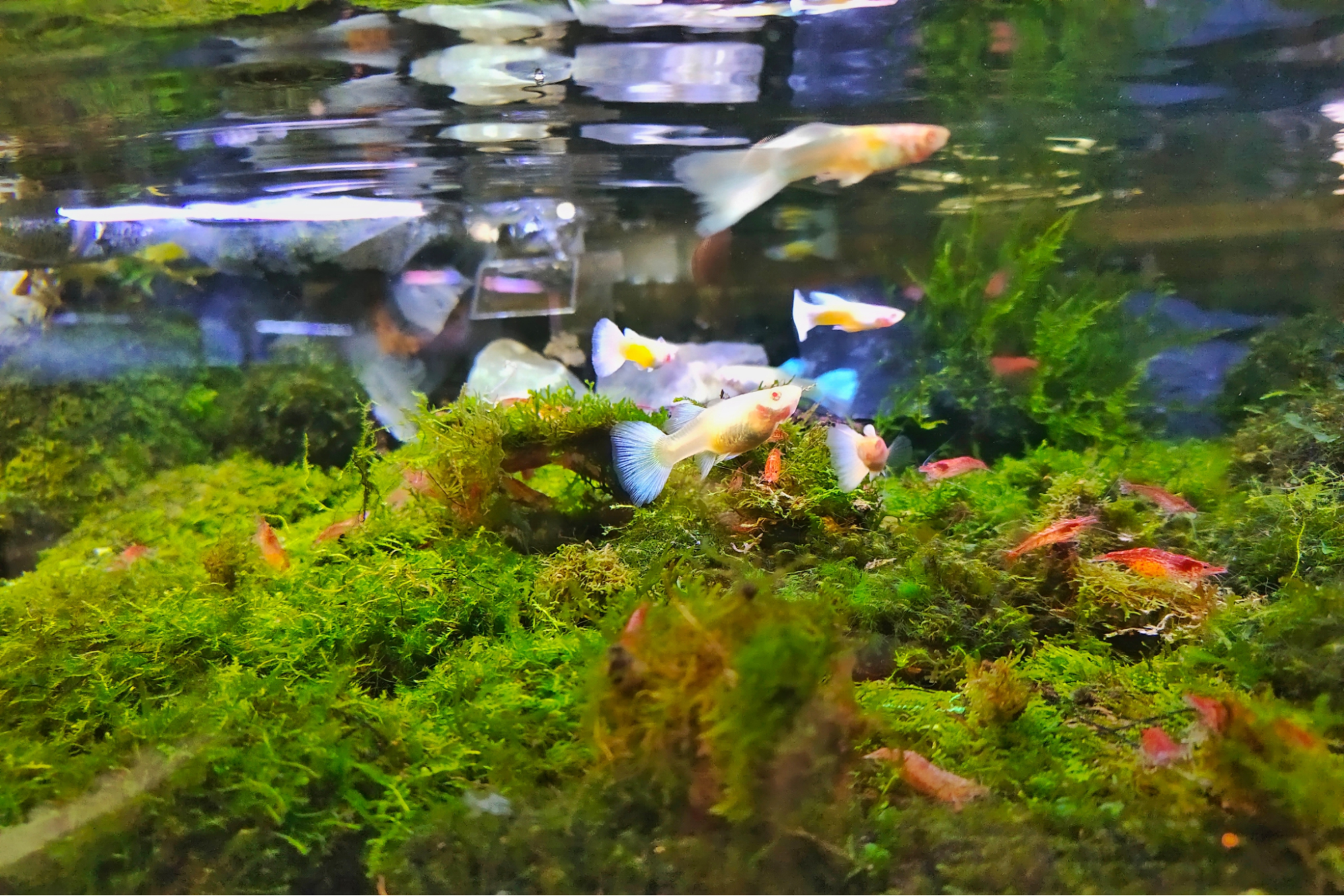
Heavily planted tank: If your breeder tank is densely planted with floating plants and hiding spots, some fry will survive on their own. This natural method produces fewer but hardier fry.
Week by Week Fry Care
Week 1-2: Feed finely crushed flakes or fry powder 3 to 4 times daily. Fry are tiny and need frequent, small meals. Keep water clean with daily 10 percent water changes using aged, temperature matched water.
Week 3-4: Increase meal size slightly and continue 3 feedings per day. You can introduce micro pellets and freshly hatched or decapsulated brine shrimp. Growth accelerates with protein rich foods.
Week 5-8: Fry are now large enough for standard micro pellets. Continue 2 to 3 feedings daily. Males begin showing color. Water changes can shift to every other day at 15 to 20 percent.
Week 9-12: Fry approach adult size. You can transition to twice daily feedings with quality flakes and pellets. Begin separating males and females around week 10 to prevent unplanned breeding.
When Fry Are Ready to Sell or Rehome
Most fry are sellable or ready to rehome at 8 to 12 weeks, once they show full color and are sexed. Local fish stores often accept healthy juveniles for store credit. Online hobbyist groups and local aquarium clubs are great places to trade or sell your surplus.
Feeding for Color, Growth, And Conditioning
Feed small amounts two to three times per day. For conditioning adults and growing fry, rotate quality flakes and micro pellets that the fish finish in a few minutes, decapsulated brine shrimp eggs for protein and color pop, and Ark BioRite Community Complete for balanced nutrition and minimal waste.
Use pellet sizes that match your fish, and feed sparingly so food is gone in about five minutes. For fry, add a dust or micro pellet twice a day, with a third tiny feeding if you are home. Clean water plus small, frequent meals equals steady growth and strong color.
Common Beginner Mistakes and How to Avoid Them
Overfeeding: This is the number one mistake. Uneaten food pollutes water fast in small tanks. Feed only what your fish consume in 3 to 5 minutes, and remove any leftovers.
Skipping water changes: Even with a filter, waste builds up. Do small, frequent water changes rather than large, infrequent ones. Aim for 15 to 20 percent twice per week in breeder tanks.
Not separating sexes: If you do not separate males and females by 10 to 12 weeks, you will end up with uncontrolled breeding and potentially inbred lines. Plan ahead and have extra tanks or breeder boxes ready.
Ignoring water parameters: Guppies are hardy, but sudden swings in temperature or pH stress fish and reduce breeding success. Test your water weekly and keep conditions stable.
Keeping too many fish in one tank: Overcrowding leads to aggression, stunted growth, and disease. Follow the rule of one inch of adult fish per gallon, and remember that a 10 gallon tank can quickly become overstocked with multiple generations.
Endlers: A Close Cousin Worth Considering
If your tap water is warm and hard, Endler livebearers (Poecilia wingei) are a fantastic alternative or companion project. They are small, neon bright, and even more prolific. Many keep both guppies and Endlers in separate lines, then trade with friends.
If you want a compact splash of color, browse our selection of endler livebearers and pick a strain that fits your space and goals.
Getting Started This Week
Here is a simple plan:
Choose a healthy trio and a 10 to 20 gallon tank with a sponge filter and heater.
Add live plants for cover. Start with hardy stems or floating plants, and consider Guppy Grass to protect fry.
Feed small, varied meals. Keep decapsulated brine shrimp and quality pellets on hand.
Keep notes on dates, batches, and standout colors.
When fry arrive, enjoy the process and keep water changes small and frequent.
Conclusion
Starting your guppy breeding journey is easier than you think. With a simple 10 to 20 gallon setup, quality breeding stock, and consistent care, you can enjoy the full life cycle of these colorful fish right in your home. Whether you are breeding for fun, to share with friends, or to build a small side income, guppies reward patient hobbyists with generations of vibrant fry and endless learning opportunities.
Remember to start small, keep good notes, and let your fish guide the pace. As you watch your first batch of fry grow from tiny swimmers into full colored adults, you will understand why so many aquarists call breeding their favorite part of the hobby. This New Year, take the leap and discover what your breeding line can become.
Ready to get started? Browse our selection of healthy guppy trios, Endler livebearers, and guppy grass to set up your first breeder tank this week. Happy breeding, and welcome to the next chapter of your aquarium journey.
Frequently Asked Questions About Guppy Breeding
-
For beginners, guppies and Endlers are the safest bet. They reproduce fast, sell reliably, and do not require big tanks. Advanced breeders sometimes earn more with rare plecos or shrimp, but those projects take longer and need specific conditions.
-
About 2 to 4 years with clean water, steady heat, and quality food.
-
For breeding, use one male to two or three females per 10 to 20 gallons. For display, an all male group avoids fry and still shows great color.
-
Small amounts two to three times daily. Remove uneaten food after a few minutes and adjust portions to keep water clean.
-
Yes, with dechlorinator and stable routine. Test your water and keep weekly partial changes.
-
Males are smaller and brighter, with a pointed gonopodium. Females are larger, rounder, with a fan shaped anal fin and a gravid spot.
-
A healthy female can produce 20 to 100 fry per batch, though first time mothers usually deliver smaller numbers. Experienced females in optimal conditions can produce larger batches.
-
Separate sexes by 10 to 12 weeks to prevent unplanned breeding and inbreeding. Males typically show color and develop their gonopodium by 8 to 10 weeks, making sexing easier.
-
Breeding boxes are helpful but not required. They protect newborn fry from being eaten, but can stress pregnant females if used too long. A heavily planted tank with floating cover is often a better long term solution. Use breeding boxes for 2 to 3 weeks maximum, then move fry to a grow out tank.
-
Look for a very dark, large gravid spot, a square shaped belly, and the female hiding or acting restless. She may also refuse food in the 24 hours before delivery. These signs usually appear in the final 2 to 3 days of gestation.