

Introduction: Saving Time Without Sacrificing Tank Health
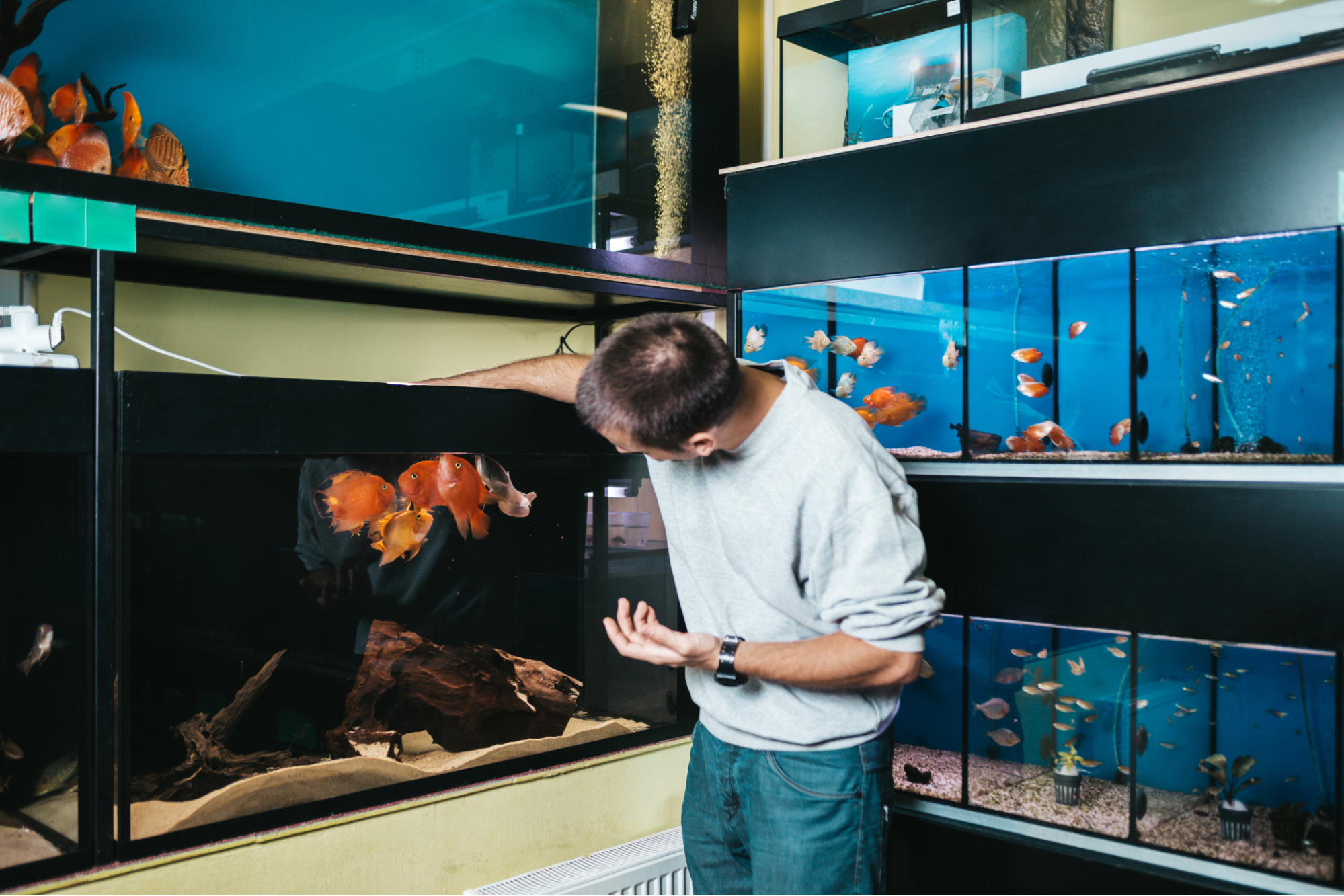
Fishkeeping should be enjoyable—not something that constantly competes for your time. Whether you’re juggling work, family, or multiple aquariums, it’s easy for maintenance to feel overwhelming when tasks pile up or problems appear unexpectedly. The good news is that saving time in fishkeeping doesn’t require cutting corners or lowering care standards.
This guide focuses on practical, proven ways to reduce the time you spend maintaining your aquarium while keeping fish healthy and water quality stable. By building smarter routines, choosing low-maintenance setups, using automation strategically, and planning ahead, you can spend less time working on your tank and more time enjoying it.
Why Time-Saving Matters in Aquarium Care
Fishkeeping is meant to be enjoyable, relaxing, and rewarding—but for many aquarists, it can slowly turn into a time-consuming chore. As tanks mature, livestock grows, and routines become inconsistent, maintenance tasks often take longer than expected. This is one of the main reasons hobbyists feel overwhelmed or burn out over time.
Saving time in aquarium care isn’t about cutting corners or neglecting your tank. It’s about working smarter, not harder. Efficient systems, thoughtful planning, and proven husbandry methods allow you to maintain excellent water quality and healthy fish while spending less time reacting to problems. In fact, the most stable and healthy aquariums are often the ones that require the least day-to-day effort.
Understanding where time is commonly lost—and how to prevent it—is the first step toward a more sustainable and enjoyable fishkeeping routine.
Common Time Drains in Fishkeeping
Many aquarists feel short on time not because fishkeeping is inherently demanding, but because small inefficiencies add up quickly. The most common time drains tend to repeat weekly—or even daily—when systems aren’t optimized.
Water changes are often the biggest culprit. Hauling buckets, matching temperatures, dechlorinating water, and cleaning spills can easily turn a simple task into an hour-long project. Without a streamlined process, water changes feel like a major disruption rather than a routine habit.
Algae control is another major time sink. Tanks with excessive lighting, nutrient imbalance, or poor flow often require frequent glass scraping, décor cleaning, and plant maintenance. When algae is treated as a recurring emergency instead of a preventable issue, it demands constant attention.
Feeding schedules may seem minor, but inconsistent or inefficient feeding can waste time and cause downstream problems. Overfeeding leads to excess waste, cloudy water, and more frequent cleanings, while underfeeding can create health issues that require intervention later.
Glass cleaning and aesthetic upkeep can also take more time than necessary when tanks are not designed with maintenance in mind. Poor aquascaping choices, hard-to-reach corners, or unsuitable substrates make even basic cleaning more difficult.
Finally, filter maintenance becomes a recurring frustration when filters are undersized, poorly positioned, or overly complex. Frequent clogging, noisy operation, or full tear-downs can add unnecessary work and increase the risk of disrupting beneficial bacteria.
Individually, these tasks don’t seem overwhelming—but together, they compound into a maintenance routine that feels far more demanding than it needs to be.
Busting the Myth: You Can Save Time and Keep a Healthy Tank
A common misconception in fishkeeping is that spending more time automatically means better care. In reality, the opposite is often true. Tanks that require constant intervention are usually unstable, while well-designed aquariums rely on balance, automation, and consistency.
Healthy aquariums thrive on predictable systems. Stable lighting schedules, consistent feeding, proper filtration, and adequate biological capacity reduce fluctuations in water parameters. When these systems are in place, fish experience less stress, beneficial bacteria flourish, and problems like algae blooms or disease occur far less frequently.
Smart setups—such as using appropriate filtration, live plants, automated lighting timers, and efficient water-change tools—don’t just save time; they actively improve tank health. Fewer parameter swings mean stronger immune systems in fish and fewer emergencies that demand immediate attention.
Experienced aquarists often report that their most successful tanks are the ones they interact with the least. This isn’t neglect—it’s the result of intentional design. By reducing unnecessary hands-on interference and letting natural processes do the work, you create a system that runs smoothly with minimal effort.
Saving time in aquarium care isn’t about doing less for your fish—it’s about setting things up so your tank does more of the work for you.
Build a Smart Fishkeeping Routine (Save Time Every Week)
One of the most effective ways to save time in fishkeeping is to stop treating maintenance as a series of random tasks and start treating it as a routine. When aquarium care is predictable and structured, it takes less mental energy, less physical effort, and far less time overall. A smart routine also prevents small issues from snowballing into major problems that demand hours of corrective work.
By breaking maintenance into daily, weekly, and monthly blocks, you create a rhythm that keeps your tank stable while fitting easily into a busy schedule.
The Time Block Method for Aquarium Tasks
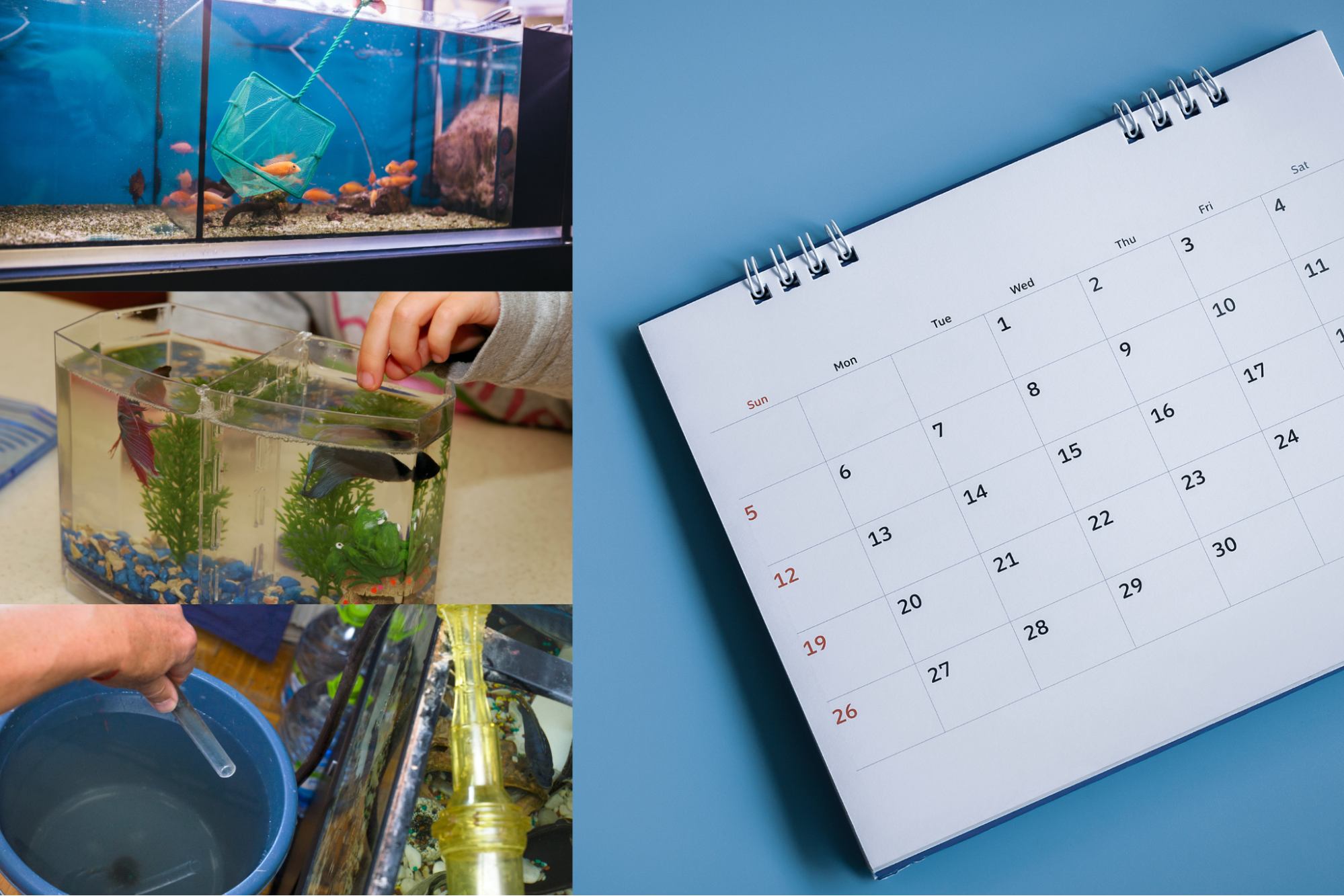
Time blocking is a simple system where you assign specific aquarium tasks to set timeframes instead of doing everything at once. This keeps maintenance short, focused, and efficient.
Daily tasks should be quick and observational. Feeding your fish and doing a brief visual health check takes only a few minutes but provides early warning signs of stress, illness, or equipment failure. Catching problems early saves significant time later.
Weekly tasks handle the bulk of active maintenance. Partial water changes, light glass cleaning, and a quick filter inspection help maintain water quality and prevent buildup. Because these tasks are done consistently, they stay small and manageable instead of turning into long clean-up sessions.
Monthly tasks focus on deeper but less frequent maintenance. This includes inspecting equipment, cleaning filter media if needed, trimming plants, and checking hoses, heaters, and air lines. Monthly checks reduce the risk of unexpected failures that can cause emergencies.
How to Schedule Aquarium Care in 15 Minutes a Day
The key to short maintenance sessions is task batching and habit stacking. Batch similar actions together—such as feeding all tanks at once or checking equipment while lights are on. Habit stacking means pairing aquarium tasks with existing routines, like feeding fish while making coffee or doing a quick tank check before bed.
When tasks are tied to habits you already have, they feel effortless and rarely get skipped.
Use a Fishkeeping Checklist
A fishkeeping checklist removes guesswork and decision fatigue. Instead of wondering what needs to be done, you simply follow a clear plan. This reduces missed tasks and prevents over-cleaning, which can be just as harmful as neglect.
A printable daily, weekly, and monthly checklist also encourages consistency—especially for multi-tank setups. It keeps maintenance efficient, trackable, and fast, while helping you stay focused on what actually matters for tank health.
Automation Strategies That Save Real Time
If there is one area where aquarists can reclaim the most time, it’s automation. When done correctly, automation doesn’t replace good husbandry—it supports it by creating consistency. Stable routines reduce mistakes, prevent missed tasks, and keep aquarium conditions predictable. This is why automation is often a key factor in both time savings and long-term tank health.
Learning how to automate aquarium care allows you to shift from constant hands-on maintenance to simple monitoring, freeing up hours each month while keeping your system running smoothly.
Automate Feeding
Automatic fish feeders are one of the simplest and most effective time-saving tools available to aquarists. They dispense controlled portions at scheduled times, ensuring consistent feeding even when your schedule changes or you’re away from home.
The biggest benefit isn’t just convenience—it’s consistency. Regular, measured feedings reduce overfeeding, which directly lowers waste buildup and the need for frequent cleanings. Automatic feeders are especially useful for community tanks, grow-out tanks, and busy households.
To set one up properly:
Use high-quality, dry foods that won’t clump.
Start with smaller portions and adjust gradually.
Test the feeder for several days before relying on it full-time.
When used correctly, automatic feeders save daily time while improving feeding accuracy.
Timers for Lighting & CO₂
Lighting timers are one of the most underrated automation tools in fishkeeping. By automating your light cycle, you eliminate daily manual switching and prevent inconsistent schedules that contribute to algae growth and plant stress.
Timers work especially well for:
Aquarium lighting
CO₂ systems in planted tanks
What shouldn’t be automated blindly are tasks that require visual judgment, such as fish health checks or water testing. Automation works best for repetitive, time-based actions—not observational ones.
A simple example: a planted tank running lights for 7–8 hours daily on a timer can significantly reduce algae outbreaks. Fewer algae problems mean less glass scraping, less décor cleaning, and fewer corrective water changes—saving hours over the course of a month.
Auto Top-Off & Auto Water Change Systems
Auto top-off (ATO) and automated water change systems offer some of the largest time savings, especially for larger tanks or multi-tank setups.
Auto top-off systems automatically replace evaporated water, keeping water levels and salinity (in applicable systems) stable. This eliminates daily manual top-offs and reduces stress on fish and equipment.
Automated water change systems range from simple to advanced:
Simple setups include tools like Python-style water changers that connect directly to a sink, cutting water change time dramatically.
Advanced systems use dosing pumps or dedicated plumbing to perform small, frequent water changes automatically.
The main trade-off is cost and setup time. While advanced systems require upfront investment, they often pay for themselves in long-term time savings and improved tank stability. For many aquarists, even a basic setup can turn a dreaded chore into a quick, nearly hands-off process.
Choose Low-Maintenance Tank Equipment & Setup
The equipment and layout you choose at the start of an aquarium have a long-term impact on how much time you’ll spend maintaining it. Tanks designed with efficiency in mind stay cleaner, remain more stable, and require fewer corrective interventions. By selecting low-maintenance equipment and planning your setup strategically, you reduce weekly chores before they ever become a problem.
A well-designed tank doesn’t just look good—it works for you instead of demanding constant attention.
Best Filters for Quick Cleaning
Filtration plays a major role in how much time maintenance takes, and not all filters are equal when it comes to ease of care.
Sponge filters are among the fastest to maintain. They’re inexpensive, easy to clean, and rarely clog. A quick squeeze in tank water is often all that’s needed. While they may not offer the strongest mechanical filtration, they excel in biological filtration and are ideal for smaller tanks, breeding setups, and quarantine systems.
Hang-on-back (HOB) filters strike a balance between performance and convenience. They’re easy to access, simple to clean, and work well for most community tanks. Maintenance usually involves a quick media rinse and impeller check, making them time-efficient when properly sized.
Canister filters offer powerful filtration but come with a higher time cost. While they don’t need cleaning as often, maintenance sessions take longer and require more setup and teardown. For larger tanks, the performance may justify the effort—but for smaller systems, they can be more work than necessary.
Choosing the right filter for your tank size and stocking level can significantly reduce how often—and how long—you need to perform maintenance.
Plant & Livestock Choices That Cut Chores
Livestock and plant selection directly affect how clean and stable your tank remains.
Live plants naturally absorb nitrates, compete with algae for nutrients, and improve oxygenation. Easy, fast-growing plants like stem plants, floating plants, and mosses act as natural filters, reducing the frequency of water changes and algae cleanups.
A well-chosen clean-up crew can also dramatically cut maintenance time. Snails help keep glass and décor clean, shrimp consume leftover food and biofilm, and certain plecos assist with algae control in appropriately sized tanks. When matched correctly to the aquarium, these species reduce the need for manual cleaning.
Reef2Reef community discussions frequently highlight that choosing hardy, low-maintenance species leads to more stable tanks and less daily work. Experienced hobbyists consistently report that “easy” livestock choices result in fewer interventions and more predictable routines.
Aquascaping With Time-Efficiency in Mind
Aquascaping isn’t just about aesthetics—it also affects how easy a tank is to clean. Overly complex layouts with dense rock piles, tight crevices, and hard-to-reach areas trap debris and waste, increasing maintenance time.
Minimal, intentional hardscape design allows for better flow, fewer dead spots, and easier access during cleaning. Open layouts make it quicker to siphon debris and reduce the buildup of detritus in hidden areas.
When aquascaping with time efficiency in mind, less truly is more.
Speed-Up Core Maintenance Tasks
Core maintenance tasks are unavoidable in fishkeeping—but they don’t have to be slow or frustrating. Most time loss comes from inefficient methods rather than the tasks themselves. By using the right tools and simplifying your approach, you can complete essential maintenance faster while maintaining (or even improving) tank stability.
This section focuses on practical, proven techniques that experienced aquarists use to dramatically reduce hands-on time.
Time-Efficient Water Changes
Water changes are often seen as the most time-consuming part of fishkeeping, but small adjustments can cut that time in half.
A step-by-step, tool-based system makes a huge difference:
Siphon boosters or gravel vacuums speed up debris removal while minimizing repeated passes
Powerheads or submersible pumps can drain and refill tanks far faster than manual siphoning
Bucket batching (pre-filling multiple buckets at once) reduces trips back and forth
Many experienced hobbyists—like those referenced in MarcusFishTanks-style maintenance guides—emphasize consistency over volume. Smaller, more frequent water changes take less time overall and reduce the need for deep cleanups.
The goal isn’t perfection—it’s repeatability. When water changes are quick and predictable, they’re less likely to be delayed or skipped.
Algae Control Without Daily Scraping
Constant algae scraping is usually a sign of imbalance rather than neglect. The fastest way to save time is to prevent algae from gaining a foothold in the first place.
Smart lighting schedules are the foundation. Keeping lights on a fixed 6–8 hour cycle (using timers) limits excess algae growth while still supporting plants and fish behavior.
Clean-up crew integration further reduces manual effort. Snails, shrimp, and algae-eating fish help manage biofilm and early algae growth before it becomes visible on glass and décor.
For higher-bioload or planted systems, natural filtration methods like algae scrubbers can be effective. Algae scrubbers intentionally grow algae in a controlled area, pulling excess nutrients from the water and reducing growth elsewhere in the tank. This shifts algae maintenance from daily scraping to occasional, targeted cleaning.
Faster Filter & Media Care
Filter maintenance doesn’t need to be disruptive or time-consuming if done correctly.
Quick rinse techniques are key:
Rinse mechanical media in removed tank water—not tap water—to preserve beneficial bacteria
Clean only part of the filter media at a time to maintain biological stability
Choosing the right media also saves time. Sponges, ceramic rings, and coarse foam are easier to clean and less prone to clogging than fine filter pads. They maintain flow longer and require less frequent intervention.
By simplifying filter media and avoiding unnecessary over-cleaning, you reduce both maintenance time and the risk of cycling issues—saving effort now and emergencies later.
Planning & Systems That Reduce Task Frequency
One of the most overlooked ways to save time in fishkeeping is reducing how often tasks need to be done in the first place. Instead of reacting to problems, long-term planning allows you to stay ahead of them. When systems are adjusted proactively, maintenance becomes lighter, less frequent, and far more predictable.
This approach is commonly used by experienced aquarists with multiple tanks, where efficiency isn’t optional—it’s necessary.
Seasonal Planning
Aquarium needs are not static throughout the year. Temperature changes, plant growth cycles, and feeding patterns all shift with the seasons, and adjusting your maintenance routine accordingly can prevent unnecessary work.
During warmer months, increased metabolism and plant growth may require slightly more frequent water changes or trimming. In cooler months, growth often slows, allowing you to reduce maintenance frequency without sacrificing water quality.
Seasonal planning also applies to tank maturity. As a tank stabilizes and biological filtration improves, many systems require fewer interventions. Recognizing when your aquarium can handle longer intervals between maintenance tasks saves time while maintaining stability.
Use Trends & Records Instead of Guesswork
Keeping a simple maintenance log is one of the fastest ways to reduce unnecessary work. By tracking water changes, filter cleanings, feeding adjustments, and test results, you begin to see patterns that guide smarter decisions.
Instead of guessing when to clean or adjust, you respond to trends. For example, stable nitrate levels may indicate that water changes can be spaced out safely, while repeated parameter swings highlight areas that need system changes—not more labor.
Troubleshooting & Quick Fixes (Save Time on Emergencies)
Unexpected problems are one of the biggest time drains in fishkeeping. Emergencies force you into reactive maintenance, often requiring hours of testing, cleaning, and corrective actions. While many blogs list general tips, few explain what to do immediately when something goes wrong.
Having simple, repeatable troubleshooting protocols allows you to act fast, stabilize the tank, and prevent minor issues from turning into long-term maintenance problems.
How to Fix Ammonia & pH Spikes Fast
Ammonia and pH spikes are among the most common—and time-sensitive—aquarium emergencies. The fastest response focuses on stabilization, not perfection.
For ammonia spikes, the priority is dilution and biological support:
Perform an immediate partial water change to reduce concentration
Reduce or pause feeding temporarily
Check filtration for clogs or flow issues
Add established biological media if available
For pH spikes or crashes, quick correction should be gradual:
Use small water changes with matched parameters
Remove obvious causes such as decaying matter or excess additives
Increase aeration to stabilize gas exchange
Avoid chasing exact numbers in a single session. Rapid corrections often cause more stress and lead to additional problems that require even more time to fix.
When a Quick Fix Prevents Long Maintenance
Fast, targeted responses can dramatically reduce future workload. Addressing a small spike early often prevents algae blooms, bacterial issues, or fish illness that would otherwise require weeks of extra maintenance.
For example, quickly correcting a rising ammonia level may prevent filter disruption or livestock loss—both of which demand extensive recovery time. Similarly, stabilizing pH early reduces stress-related disease outbreaks that can consume hours of treatment and monitoring.
The goal of quick troubleshooting isn’t constant intervention—it’s knowing when a small action now can save significant time later.
Daily & Weekly Time-Saving Checklist
A clear, repeatable checklist is one of the simplest ways to save time in fishkeeping. Instead of wondering what needs attention, you follow a proven routine that keeps the tank stable with minimal effort. This approach reduces over-maintenance, prevents missed tasks, and makes aquarium care easier to fit into a busy schedule.
Use this checklist as a guide and adjust it based on your tank size, stocking level, and experience.
Daily Aquarium Maintenance Checklist
Daily tasks should be fast and observational, taking no more than a few minutes:
Feed fish consistent, measured portions
Observe fish behavior, color, and appetite
Check that heaters, filters, and air pumps are running
Remove any visible uneaten food or debris
These quick checks catch problems early and prevent time-consuming fixes later.
Weekly Aquarium Maintenance Checklist
Weekly tasks handle routine upkeep and water quality:
Perform a partial water change
Light glass cleaning if needed
Inspect filter flow and intake for clogs
Trim plants or remove excess growth
Check temperature and basic parameters
Consistency keeps weekly tasks short and predictable instead of overwhelming.
Monthly Aquarium Maintenance Checklist
Monthly tasks focus on prevention and system health:
Clean filter media as needed (not all at once)
Inspect equipment for wear or leaks
Deep clean hardscape areas that trap debris
Review maintenance notes or logs
These checks reduce the risk of emergencies that require major time investment.
Tips for Vacations and Extended Absence
Planning ahead saves time and stress when you’re away:
Use automatic feeders and lighting timers
Perform a water change before leaving
Avoid major changes right before travel
Have a simple instruction list if someone is tank-sitting
With the right preparation, your aquarium can run smoothly for days—or even weeks—without daily attention.
Conclusion — Enjoy Your Tank More, Work Less
Saving time in fishkeeping isn’t about doing less for your aquarium—it’s about setting up systems that work for you. By building smart routines, choosing low-maintenance equipment, using automation where it makes sense, and planning ahead, you reduce stress on both yourself and your fish. Stable, efficient tanks require fewer emergency fixes, less hands-on labor, and far less guesswork.
When maintenance takes minutes instead of hours, you get to enjoy what fishkeeping is really about: healthy fish, a beautiful tank, and a hobby that fits into your life instead of competing with it.
Frequently Asked Questions: Saving Time in Fishkeeping
-
Yes. Time-saving in fishkeeping is about efficiency and stability, not neglect. Well-designed systems, consistent routines, and automation often improve tank health by reducing fluctuations that stress fish.
-
Water changes are usually the most time-consuming task, especially when done with inefficient tools or irregular schedules. Streamlining your water-change process and doing smaller, consistent changes saves the most time long-term.
-
Filter cleaning frequency depends on bioload and filter type, but most filters only need attention every few weeks. Over-cleaning wastes time and can disrupt beneficial bacteria, leading to more work later. -
Yes, when set up correctly. Automatic feeders provide consistent portions and reduce overfeeding. They are especially useful for busy schedules and short trips, as long as the food type and portions are tested beforehand.
-
Moderately stocked freshwater community tanks with hardy fish, live plants, and simple filtration are generally the easiest to maintain. Larger tanks are often more stable and require less frequent intervention than small tanks.
-
No, but it can significantly reduce how often and how long maintenance takes. Automation handles repetitive tasks, allowing you to focus on observation and adjustments rather than constant manual work.
-
Use a fixed lighting schedule, avoid overfeeding, add live plants, and incorporate an appropriate clean-up crew. Preventing algae growth is far more time-efficient than removing it after it appears.
-
Yes. A simple log helps identify trends, prevents unnecessary maintenance, and allows you to make informed adjustments. Many aquarists find that logging saves time by reducing guesswork and repeated mistakes.